

Accessible travel in London is a unique experience where centuries of history meet modern convenience. While navigating a city of ancient castles and futuristic skyscrapers can seem daunting for travelers with disabilities, years of investment and planning have made it one of the world’s most accessible capitals. This guide provides a comprehensive overview of the best accessible hotels, transportation, and attractions to help you plan your London adventure.
Table of Contents
Top 3 Wheelchair Accessible Hotels in London
A comfortable and accessible base is essential for exploring the city. These three London hotels are renowned for their excellent facilities and commitment to inclusivity.
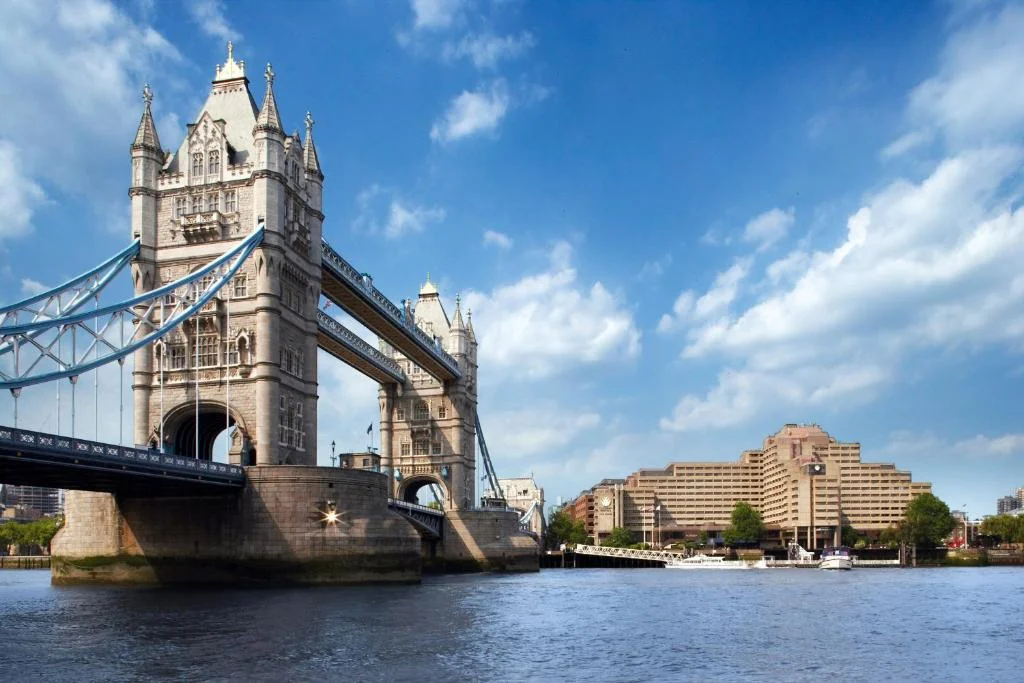
With breathtaking, barrier-free views of the iconic Tower Bridge, this hotel’s accessibility is enhanced by its prime location. The accessible rooms are designed with ample space for maneuverability, and their well-equipped en-suite wet rooms are a critical feature for many travelers.
Best For: Sightseers wanting iconic views and a central location.
Park Plaza Westminster Bridge London
Located directly opposite the Houses of Parliament and a stone’s throw from the London Eye, this hotel is a modern marvel of accessibility. It features numerous, thoughtfully designed accessible rooms and its public areas, including restaurants and bars, are all easy to navigate.
Standout Feature: Its location provides level, step-free access to many of London’s most famous South Bank attractions.

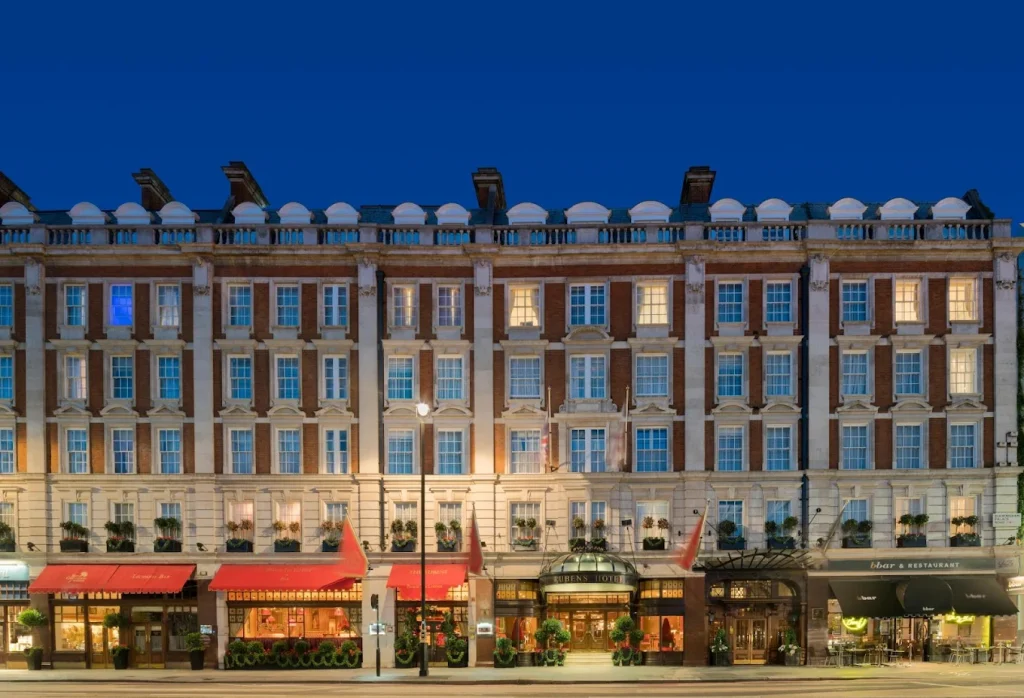
For a touch of classic luxury, The Rubens at the Palace offers five-star service with excellent accessibility. Overlooking Buckingham Palace, this historic hotel has been beautifully adapted.
Standout Feature: The hotel’s dedicated “Accessibility for All” policy ensures a high level of staff training and attention to detail, from arrival to departure.
Getting Around: Accessible Travel in London
Navigating London is easier than ever thanks to its extensive network of accessible transport options.
The Tube (London Underground)
While not every station is accessible, Transport for London (TfL) has made huge strides. Over 90 stations now have step-free access. Planning your journey is key; use TfL’s official Step-Free Tube Guide to map your routes between accessible stations.
London Buses and Black Cabs
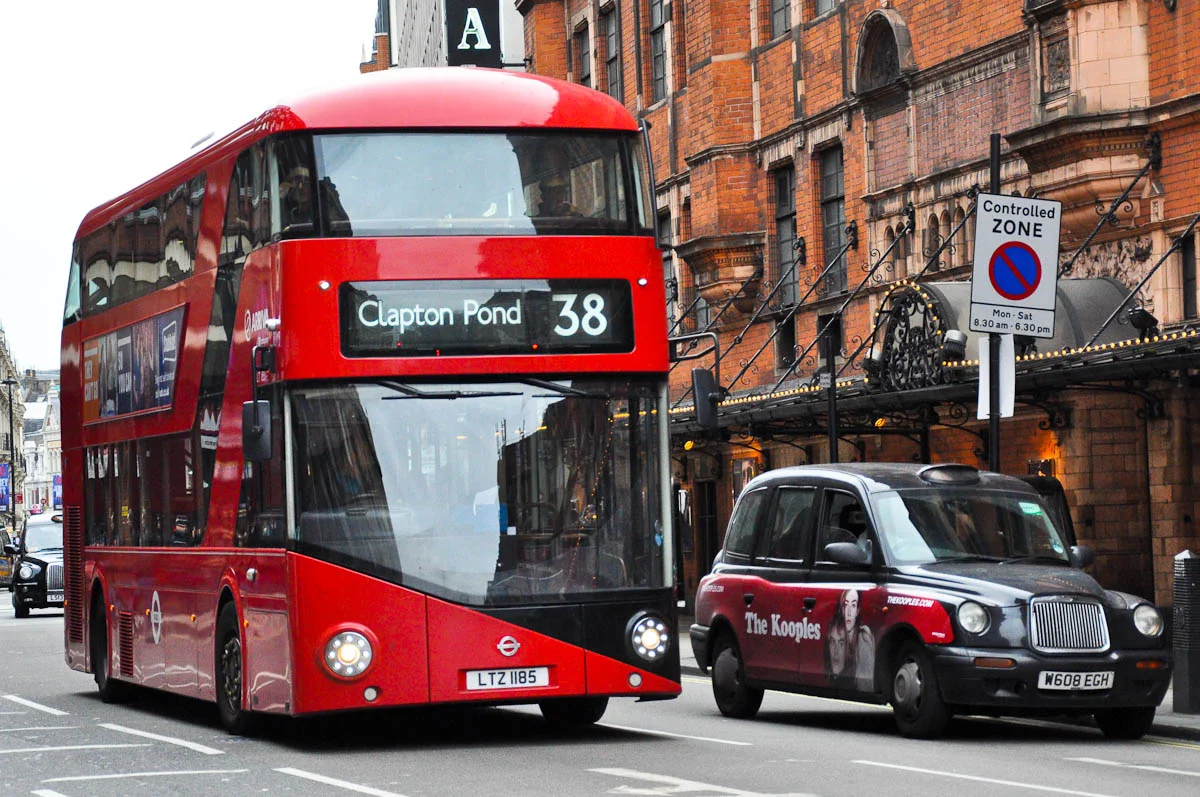
Every one of London’s iconic red buses is low-floor and wheelchair-accessible, with designated spaces. Similarly, all official London Black Cabs are equipped with ramps and are required to be accessible, making them an excellent option for direct travel.
Accessible Attractions & Shows
Most of London’s world-class museums and attractions are highly accessible. A great first step in your planning is to review our guide on flying into the UK with a wheelchair.
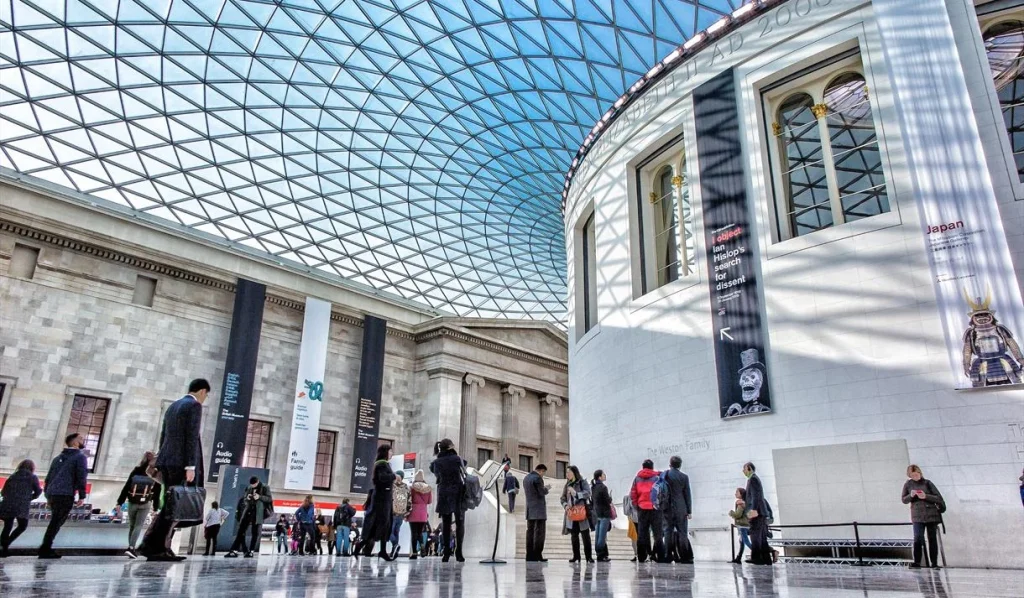
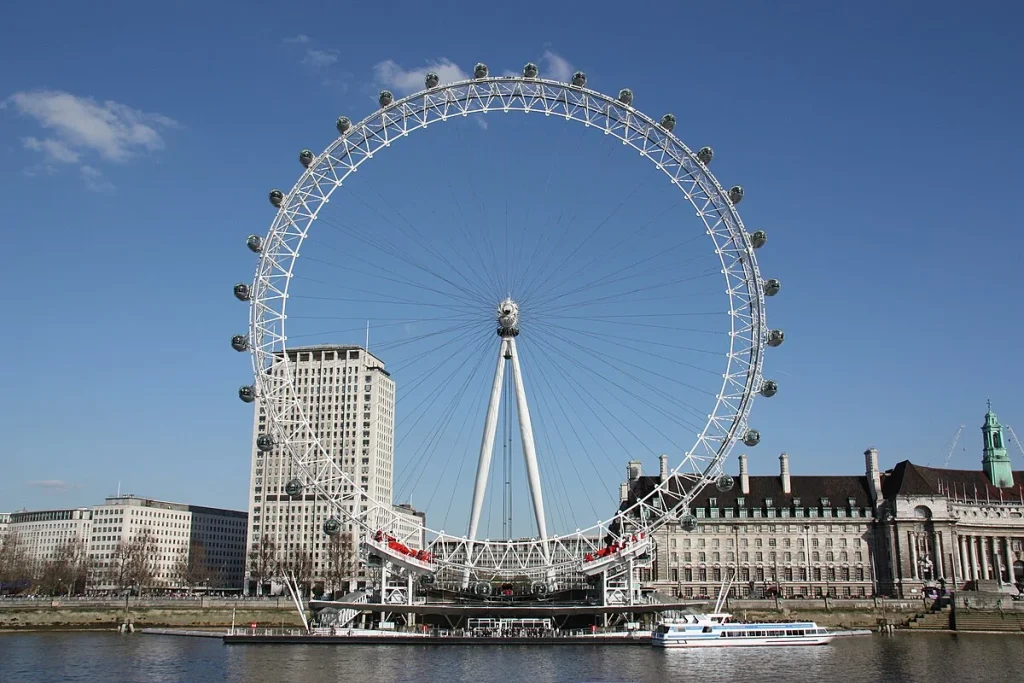
Major sites like the British Museum, the Tate Modern, and the London Eye have excellent facilities. For historic sites like the Tower of London, it’s best to check their official accessibility pages for details on which areas are navigable. The official Visit London website is a fantastic resource for this.
Frequently Asked Questions (FAQ)
1. Is London easy to get around in a wheelchair?
Yes, central London is very wheelchair-friendly. With an extensive network of accessible buses, step-free Tube stations, and well-maintained pavements in tourist areas, navigating the city is straightforward with a bit of planning.
2. Are most London museums free and accessible?
Many of London’s best museums, like the British Museum and the National Gallery, are free to enter and have excellent accessibility, including accessible toilets and elevators.
3. What is the most accessible way to travel around London?
The London bus network is the most comprehensively accessible option, as every bus is equipped for wheelchair users. For longer distances, planning a route using only step-free Tube stations is the fastest method.
Disclaimer: Hotel amenities and accessibility features can change. WOT Travel always recommends contacting the hotel directly before booking to confirm that their facilities meet your specific needs.